
Feeding the house rabbit 4: Fruit and Berries
Camilla
Bergstrøm
|
|
MediRabbit.com is
funded solely by the generosity of donors. Every
donation, no matter what the size, is appreciated and will aid in the
continuing research of medical care and health of rabbits. Thank you |

|
Rabbits have a fondness for
sweet foods. While fruit contains sugars (primarily fructose), they are a
valuable source of minerals and vitamins, especially for rabbits experiencing
health issues. Most rabbits have a high tolerance for a variety of fruits from
an early age. However, some may experience initial symptoms such as watery
stools and/or gas. As this is individual to every rabbit, it is the owner's
responsibility to experiment with the amount given and adhere to it. It is
advisable to remove all seeds and pits beforehand as these may contain toxic
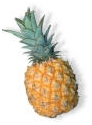
molecules that may pose a health risk. Fresh pineapple and papaya
contain enzymes (bromelain and papain) that facilitate the breakdown of food
particles and mucus (proteins, fats, and sugars) that accumulate in the
digestive tract, forming a mass known as a "hairball" or
"trichobezoar." These enzymes can be used during molting to minimize fur-related obstructions. Only fresh
papaya and pineapple contain these enzymes. Although anecdotal, banana has
been used to help rabbit suffering from light digestive disorders and soft fecal production. This fruit is an essential part of a
rabbit's diet, especially during periods of health challenges as it helps in
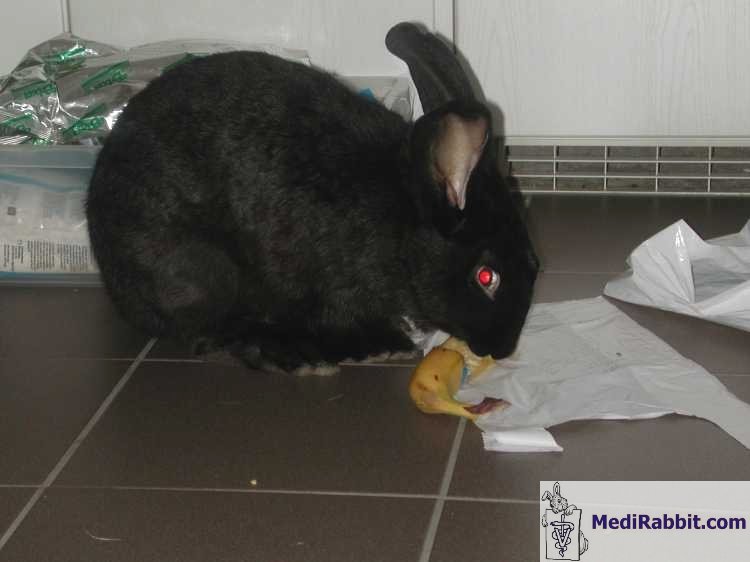
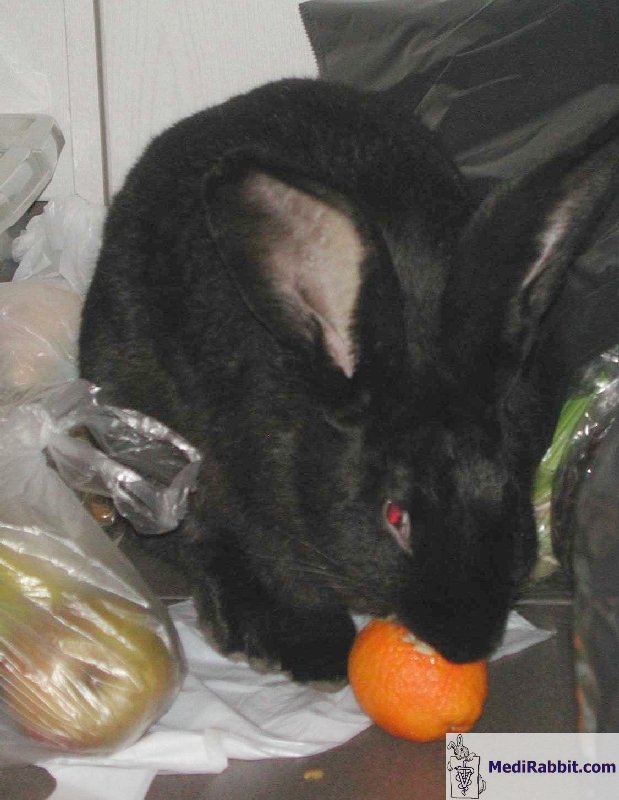
maintaining optimal weight and overall health in rabbits. The rabbit depicted
on this page, a black Flemish giant, consumed one whole banana per day, in
addition to hay, pelleted food, fresh vegetables, and herbs. Bananas contain
fructo-oligosaccharides, which are sometimes referred to as prebiotics (not
probiotics, which are found in products such as Benebac,
Probios, and Protexin).
These prebiotics have been shown to promote the growth of beneficial
intestinal bacteria while hindering the proliferation of harmful pathogens in
both humans and rabbits. This action helps stop watery stools or diarrhea. In
other animals, fructo-oligosaccharides have been shown to enhance nutrient
absorption in the intestine, including iron, calcium, and magnesium. For more
information on fructo-oligosaccharide digestion in rabbits, please refer to
The Nutrition of the Rabbit, by de Blas and Wiseman, 1998, 2010. Therefore, it is not accurate to
assume that all sugars are detrimental to rabbits. In fact, some sugars have
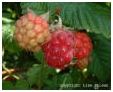
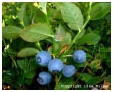
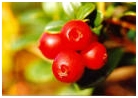
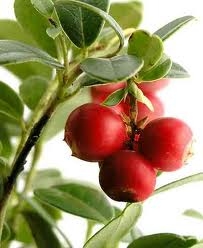
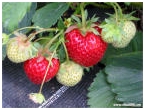
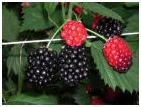
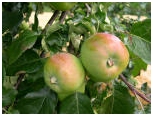
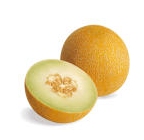
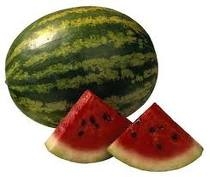
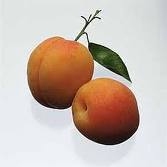
the ability to restore the bacterial balance in the digestive tract. Some fruit that rabbits like to eat
. |
||||||||||||||||||||||||||||||||||||||||||||||||||||||||||




e-mail: info@medirabbit.com
