
Diabetes in rabbits
Esther van
Praag, Ph.D.
|
|
MediRabbit.com is
funded solely by the generosity of donors. Every
donation, no matter what the size, is appreciated and will aid in the
continuing research of medical care and health of rabbits. Thank you |

|
Diabetes
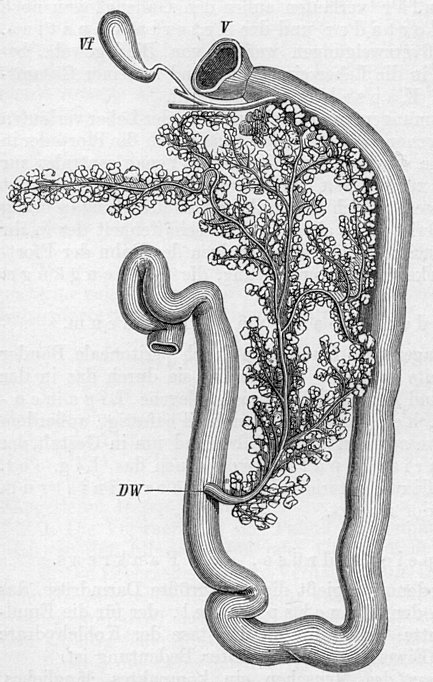
is caused by a dysfunction of the pancreas, an endocrine organ that possesses
islets of Langerhans. Those islets secrete insulin in the blood circulatory
system in order to control the glucose level in the blood and stimulate
absorption of glucose into cells. In experiments where the pancreas of
rabbits was ligated, a strong decrease of insulin secretion (hypoinsulinemia)
was observed, accompanied by an increase of glucagon (hyperglucagonemia). As
a consequence the glucose level in the blood increased considerably.
In human medicine, there are several
types of diabetes: ·
Type 1
diabetes (also known as
insulin-dependent or juvenile-onset diabetes) is a condition that is
characterized by the destruction of the islets of Langerhans. The underlying
cause remains under speculation, including autoimmune, viral, or a
combination of both, with the latter resulting in an autoimmune reaction
against the virus and the cells of the islets due to mimicry of surface
proteins. Individuals diagnosed with diabetes type 1 require regular insulin
injections. ·
Type 2
diabetes is primarily
observed in obese individuals. Initially, insulin production remains within
normal parameters; however, cells develop a mechanism of resistance to the
hormone, resulting in a failure to respond. As a result, the level of sugar
in the blood remains elevated. Individuals diagnosed with type 2 diabetes
require medication to manage their condition, aiming to reduce blood glucose
levels. True diabetes is a very rare to
inexistant condition in rabbits, and there is limited information about it in
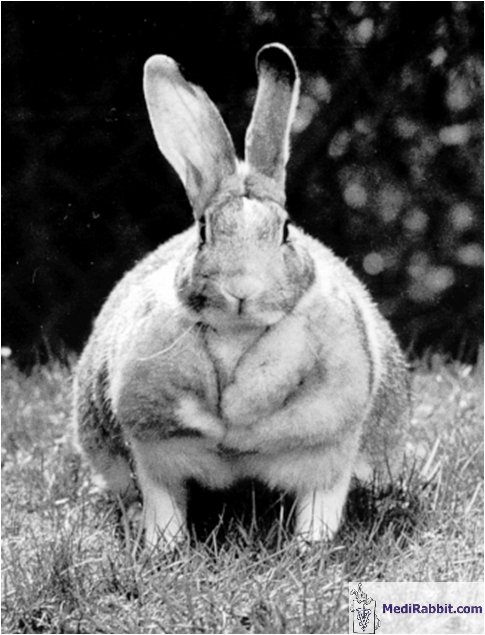
the literature. The exception is obese rabbits and experimentally
drug-induced diabetes (e.g., alloxan or streptozotin
induced diabetes). Type 1 and type 2 have both been observed. Type 2 symptoms
are more prevalent in obese rabbits. During the onset phase of the disease,
rabbits are able to compensate for the lack of insulin production in the
pancreas. It was determined that insulin may play a less significant role in
rabbits and herbivores' sugar metabolism than in carnivores' metabolism. Many
plants have indeed hypoglycemic properties and, when ingested, may help the
rabbit adjust its glucose level. A well-balanced diet, comprising a wide
variety of fresh vegetables and hay, can effectively manage true diabetes or
symptoms similar to diabetes in rabbits, eliminating the need for daily
insulin injections. It is imperative to note that rabbits should never
receive injections of insulin, as this can be detrimental to their health and
even lead to fatal consequences. Clinical signs
In cases
of experimentally induced diabetes, the presence of hyperglycemia is often
accompanied by symptoms such as polydipsia (excessive thirst), polyuria
(excessive urination), and polyphagia (strong desire to eat). Pathology
In rabbits of the New Zealand breed
afflicted with type 1 diabetes, endocrine cells of the Langerhans islets were
compromised, and hypergranulation was detected,
contrasting with the healthy, non-diabetic rabbit population. In other
animals, degranulation is typically observed. The lack of insulin production
was accompanied by glycosylation of the hemoglobin (attachment of glucose
molecules to hemoglobin, the protein responsible for oxygen transport in red
blood cells). Untreated diabetes can lead to a range of health complications
in rabbits, including mineralization of the kidneys, eye problems, and blood
vessel issues. These effects can occur even with a corrected diet.
DiagnosisDuring a
veterinary examination, manipulation of the rabbit can lead to an increase in
blood glucose levels to 8.6 mmol/L and higher, resulting in an inaccurate
representation of the actual level. This phenomenon is triggered by the
release of adrenaline (epinephrine), a molecule that counteracts the effect
of insulin and enables a rise in the blood glucose. Knudtzon J. has
documented this phenomenon in his research on diabetes in rabbits. Consequently,
diabetes cannot be diagnosed with a single blood test; a series of blood and
urine tests must be conducted over time to confirm the diagnosis. Blood chemistry tests should
include: - blood glucose; - serum osmolarity; - elevated BUN; - electrolytes disbalance (sodium
and potassium); -
glucose in urine; -
glycosylation of protein (fructosamine test); -
glycosylated hemoglobin (HbAc1). Hyperglycemia
(excess glucose in the blood) has also been linked to stasis, which often has
a poor prognosis for rabbits. This appears to relate to fatty degeneration of
the liver. If the rabbit survives, its glucose level, which can reach up to
25 mmol/L, will return to normal. Differential
Diabetes must be differentiated from: •
endocrine disorders, e.g. overproduction of
cortisol or glucagon, Cushing disease; •
disorders
of the target organs (liver, fat tissue, muscle); •
pancreatitis
(inflammation of the pancreas); •
renal glycosuria. Treatment
The treatment of choice a healthy diet: •
hay; •
fresh vegetables; •
good quality pellets; •
no
"junk" food, treats, rich in carbohydrates. If the
rabbit is overweight, a weight-reduction plan must be implemented. This
process should be conducted gradually, over a period of weeks, as opposed to
days. It is imperative to note that insulin injections should never be
administered to a rabbit diagnosed with "diabetes." Compared to
dogs and cats, they enjoy a healthier lifestyle with a healthy diet and no
insulin injections. Further Information
Catala J, Daumas M, Chanh AP, Lasserre B, Hollande E. Insulin and
glucagon impairments in relation with islet cells morphological modifications
following long term pancreatic duct ligation in the rabbit--a model of
non-insulin-dependent diabetes. Int J Exp Diabetes Res. 2001; 2(2):101-12. Conaway HH, Faas FH, Smith SD, Sanders LL. Spontaneous diabetes
mellitus in the New Zealand white rabbit: physiologic characteristics.
Metabolism. 1981; 30(1):50-6. Roman-Ramos R, Flores-Saenz JL, Alarcon-Aguilar FJ. Anti-hyperglycemic
effect of some edible plants. J Ethnopharmacol
1995; 48(1):25-32 Roth SI,
Conaway HH, Sanders LL, Casali RE, Boyd AE 3rd. Spontaneous diabetes mellitus
in the New Zealand white rabbit: preliminary morphologic characterization. Lab Invest. 1980; 42(5):571-9. |

e-mail: info@medirabbit.com
