
Feeding the house
rabbit 2: Vegetables
Camilla
Bergstrøm
|
|
MediRabbit.com is
funded solely by the generosity of donors. Every
donation, no matter what the size, is appreciated and will aid in the
continuing research of medical care and health of rabbits. Thank you |

|
Most
rabbits are fond of vegetables. They add variety to the diet and are a
pleasant addition to mealtime. Vegetables are a rich source of nutrients
essential for rabbits. In addition, the high water
content helps hydrate the intestinal content, thereby improving digestion. Introducing
vegetables
It is
imperative to introduce vegetables and other types of fresh food gradually
and methodically. It is advisable to introduce each variety separately. It is
important not to give your rabbit large amounts at the beginning. This can
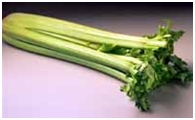
result in soft stools, diarrhea, or stasis. Begin with one vegetable (e.g.,
celery). A small piece should be offered, and at least 24 hours should be
allowed to pass. In the absence of soft stools, a larger piece will be
offered the following day. If the droppings become soft, discontinue the
introduction and make another attempt later. Please allow five to seven days
for each vegetable to be introduced. The
digestive tract of young rabbits is not fully developed, and they may suffer
diarrhea if the diet is changed. Watery stools are more frequently indicative
of an infestation of the digestive tract by coccidia, a major cause of death
at this age. At approximately two to three weeks of age, young rabbits will
begin to nibble on hay and fresh vegetables. If the young does
not suffer adverse effects, this natural behavior should be encouraged to
help develop a healthy bacterial flora in the intestine. If a young rabbit is
unable to handle fresh food well, it should be stopped for a few days and
then reintroduced slowly. It is imperative to exclude other potential causes,
such as parasitic infestations or environmental factors. Video of young rabbit nibbling on fresh
greens.
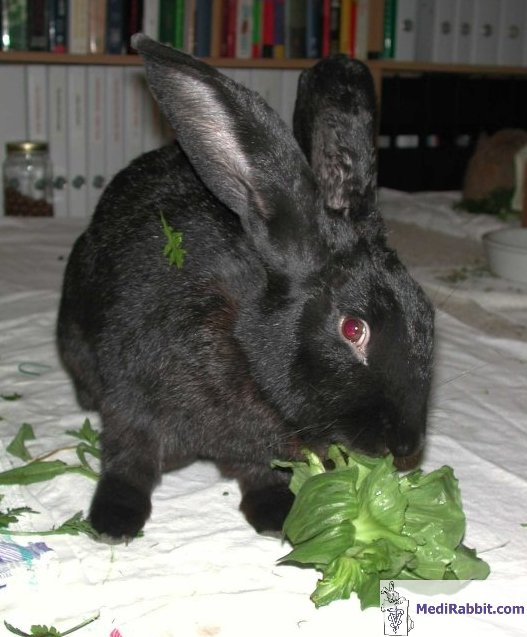
Linda Baley An adult rabbit should be offered at
least 3-6 different types of vegetables every day, or more if it can be
afforded. It is important to vary the types of vegetables periodically to
maintain interest. A 6-pound rabbit should be provided with between 1.5 and
2.5 cups of fresh vegetables daily. The amount of
vegetables a rabbit can tolerate is an individual matter. It may be necessary
to conduct a series of trials to determine the ideal balance for your rabbit. Video about fresh vegetables
for rabbits
Debbie Hanson, with the collaboration of
Barbara Schmeitz and the rabbit Pixel. Ideally, at least one of the daily
vegetables provided should contain vitamin A. These include, but are not
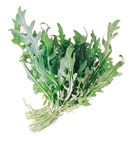
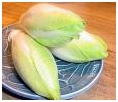
limited to, beet tops, broccoli, carrot tops, dandelion leaves, endive,
cress, and chicory. Some vegetables to try
• Dark
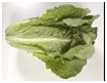
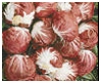
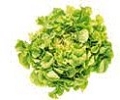
green and red lettuces are OK, but the light green varieties (iceberg) can
cause diarrhoea in some rabbits. • Cucumber
and iceberg lettuce contain almost no nutrients and some rabbits can get
digestive problems. • Too
much cabbage can cause enlargement of the thyroid and digestive problems.
C. Bergstrøm Rabbits enjoy socializing at meal times The following vegetables are OK in
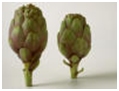
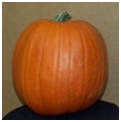
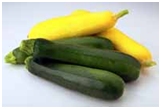
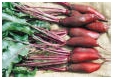
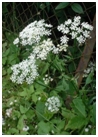
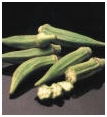
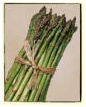
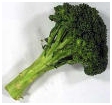
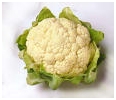
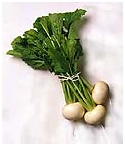
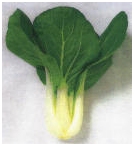
limited amounts, but may cause gas in some rabbits:
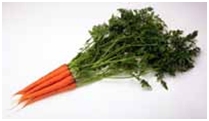
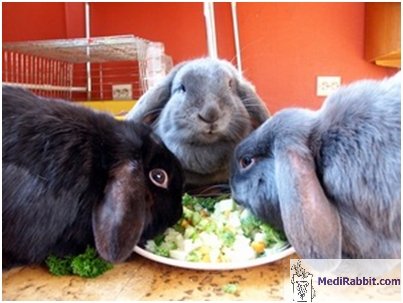
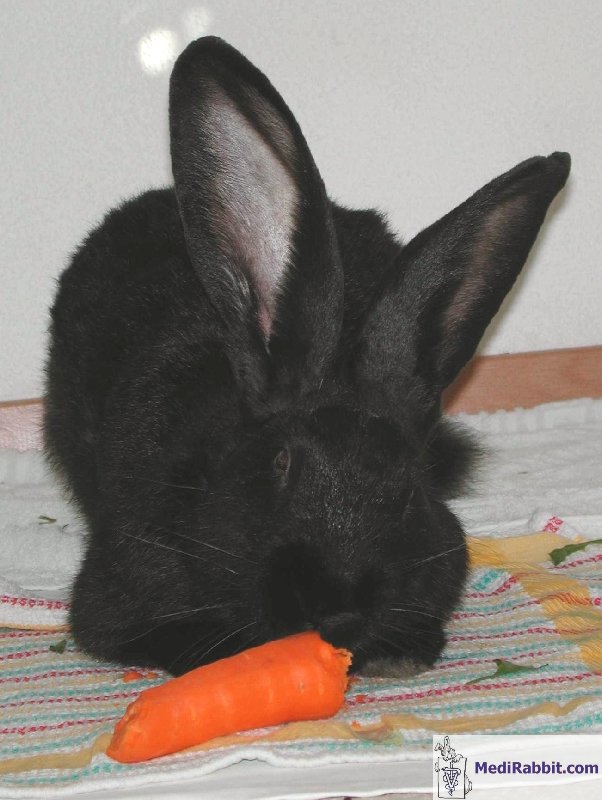
Adar enjoying fresh vegetables or a carrot |






e-mail: info@medirabbit.com
