
Feeding the house
rabbit 6: twigs and branches
Camilla
Bergstrøm
|
|
MediRabbit.com is funded solely by the generosity of
donors. Every donation, no matter what the
size, is appreciated and will aid in the continuing research of medical care
and health of rabbits.
Thank
you |

|
Rabbit
teeth grow constantly throughout their lives (approximately 2 millimeters per
week). While a diet consisting of hay, vegetables, and pellets is sufficient
to maintain healthy teeth, it is recommended to provide the rabbit with fresh
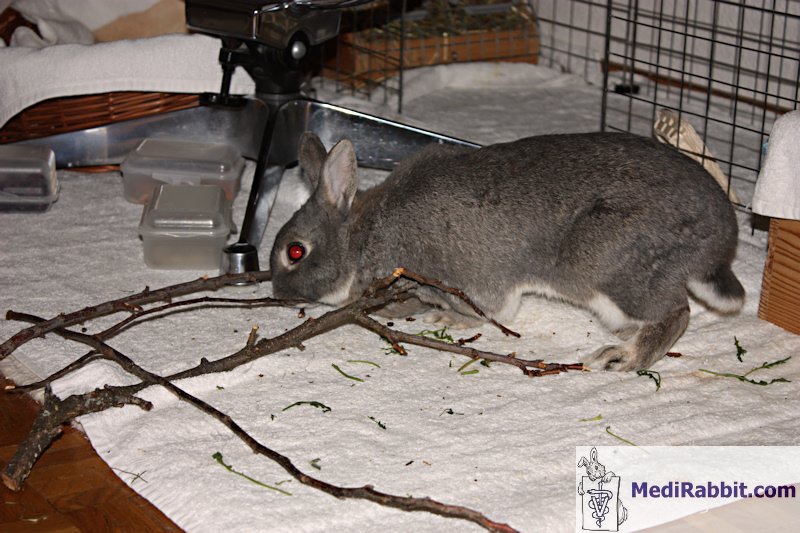
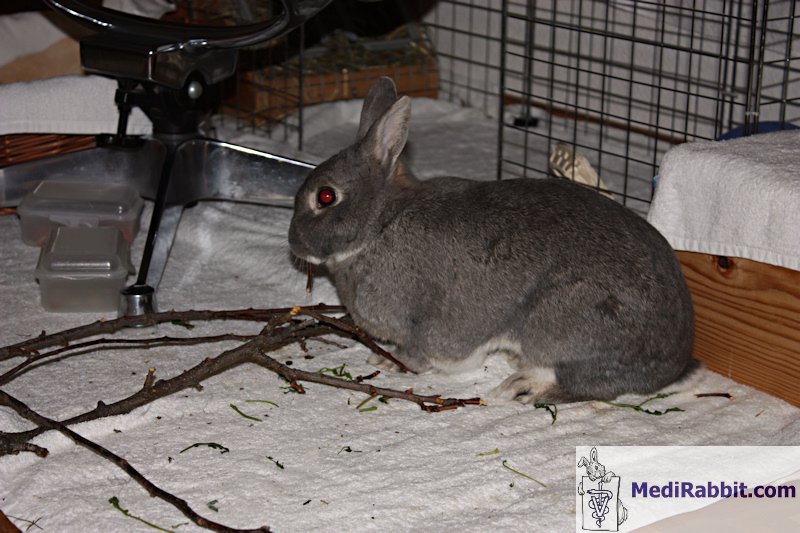
twigs and branches for chewing on as well. Twigs are an important component
of a balanced diet because they assist in wearing down teeth and promote
proper salivation of the ingesta, which in turn helps to digest food. The
fibers promote digestive health, are nutritious, and enhance well-being. In
general, branches and leaves with high tannin content, such as those from
willow, hazelnut, oak, ash, fruit trees, and eventually pines, are highly
effective in preventing coccidiosis. Prior to providing a rabbit with a twig
for chewing, it is essential to ascertain that the twig was sourced from a
tree that is not toxic to rabbits. Additionally, it is imperative that the
tree has not been exposed to chemicals or pollution from major roadways. The
cut branches should be rinsed in the shower to remove any insects or other
foreign matter before being given to the rabbits.
It is possible to provide branches
without leaves during the winter season as well.
Trees
carrying drupes – single-seeded fruits (including plum, cherry, apricot and
peach) are toxic to rabbits. The following trees and shrubs are
considered safe:
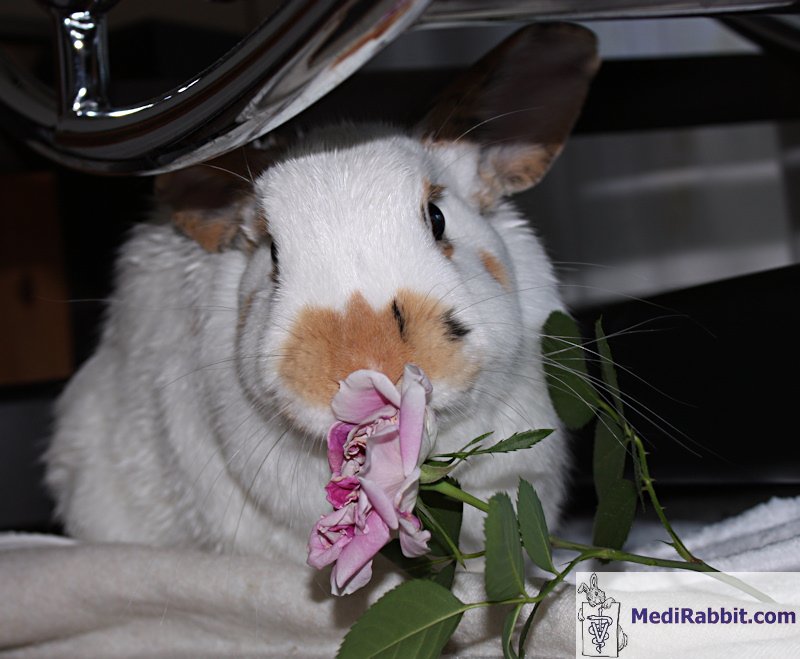
willow, spruce, ash-tree, birch, maple, juniper, poplar, apple, pear, hazel,
rose, and hawthorn.
|




e-mail: info@medirabbit.com
